


Learn to interpret equine behavior and assess welfare by exploring evolutionary traits, environmental adaptation, and evidence-based management practices in this self-paced course.

Description
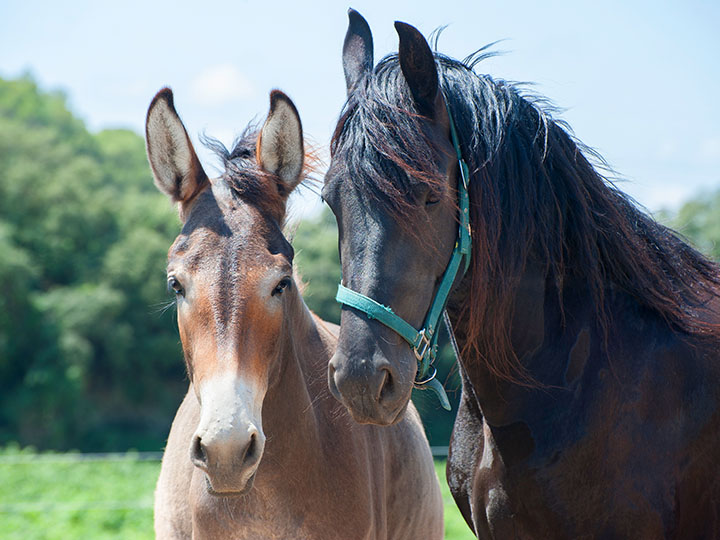
This course offers a comprehensive overview of equine behavior and welfare, grounded in their evolutionary history and domestication process, and connects these foundational concepts to current management challenges in everyday settings. It explores how horses and other equines adapt to their environment and to interactions with humans, providing insights into interpreting their behavior and recognizing their basic needs related to movement, nutrition, rest, and social life. Throughout the program, criteria are presented for understanding welfare from an evidence-based approach, considering how the environment, routine, and living conditions can promote adaptation or cause stress. Additionally, a comparative analysis of donkeys and mules is included to identify relevant differences from horses and adjust management practices to be safer, more respectful, and appropriate for each type of animal.
Upon completing this course, you will be able to:
• Interpret the relationship between evolution, domestication, and behavioral patterns in equids.
• Analyze equine behavior based on concepts of perception, learning, emotions, cognition, and temperament.
• Identify behavioral cues associated with welfare, discomfort, or stress in everyday handling situations.
• Relate living conditions such as housing, feeding, routine, and social life to observable behavioral responses.
• Identify relevant behavioral differences between horses, donkeys, and mules to understand the handling needs appropriate for each.
Course content
Learning Outcomes
There are currently no related items to show.
Related Occupations
There are currently no related items to show.
Related Qualifications
There are currently no related items to show.